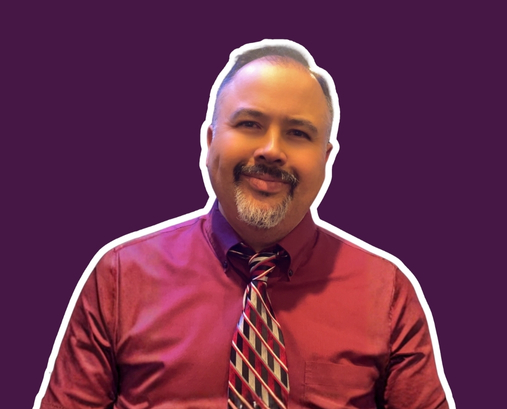
Dr. Justin Conroy (Oglala Lakota) currently serves as the Title I, Part D Principal for Rapid City Area Schools (RCAS) in Rapid City, South Dakota. In this role, he leads educational programming for neglected, delinquent, and at-risk youth, with a strong emphasis on supporting Native American students. Born and raised on the Pine Ridge Indian Reservation, Dr. Conroy received his primary and secondary education through the Bureau of Indian Affairs (BIA) school system.
He earned his Bachelor’s degree in Secondary Education and a Master’s degree in Educational Administration from Chadron State College. He went on to complete a Doctorate in Educational Leadership at the University of South Dakota, where his research focused on recruitment and retention models for Native American students in education.
Dr. Conroy has dedicated his career to advancing equity in education. He has developed and led numerous programs designed to increase opportunity and support for all students—particularly Native American youth—by creating environments where every learner feels valued, seen, and capable of success. In partnership with longtime colleague Tim McGowan, he has helped implement trauma-informed, student-centered systems that promote healthy school culture and deepen community engagement.
Support for Peer Mentoring
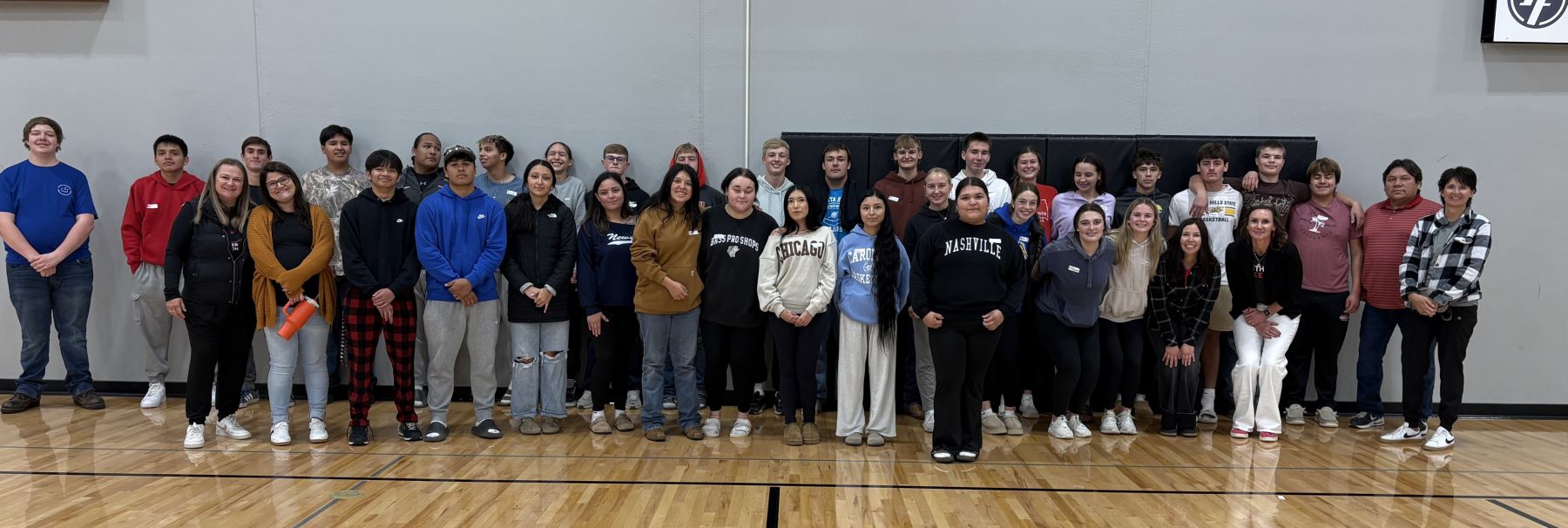
I believe peer mentoring is a foundational element of a strong, comprehensive school culture. When thoughtfully implemented, it empowers students to lead, support one another, and form meaningful connections that enhance both academic success and emotional well-being. As a Native American educator and administrator, I have seen the powerful ripple effects of peer mentoring—mentors gain confidence and a sense of purpose, while mentees benefit from trust, encouragement, and a deeper sense of belonging.
In collaboration with Tim McGowan, I have helped implement peer support systems that directly address the barriers many of our students’ face, such as social isolation, inconsistent attendance, lack of peer connection, and cultural disconnection. By elevating student voices and fostering relationships rooted in shared experience, we have seen notable improvements in student engagement, graduation rates, and daily attendance.
Peer mentoring is more than an initiative—it is a catalyst for healthier school environments and greater equity in education. For students, who often navigate challenges, these networks are vital. I support peer mentoring because it creates lasting change and ensures every student has a peer who sees them, supports them, and believes in their potential.